

My husband did the grocery shopping last week. As usual, I texted him a list of the various vegetables, milk and meats that we eat. And as usual, I expected him to add some extra items to the cart not on the list—usually caramel and cheese kettle corn, chocolates or potato chips. But he didn’t buy the junk foods this time. Instead, he called me to tell me that he didn’t buy any. He said that he had scanned them all on the Yuka app and the items had low scores.
After recovering from my initial shock, I reminded him that I had already told him that I would stop buying the junk food because of the additives and fats. When my shocked brain cleared further, I asked him about the miraculous app called Yuka.
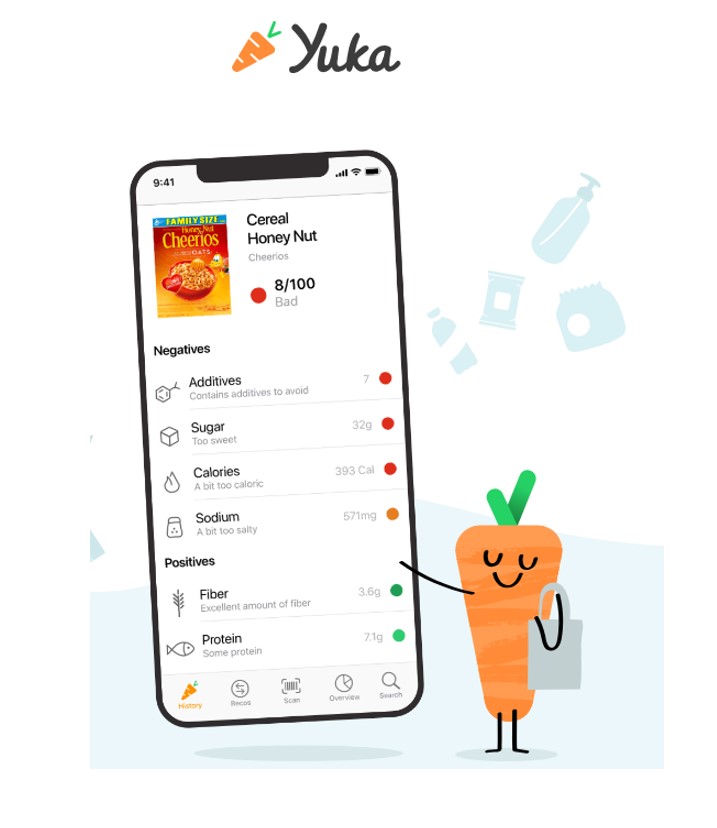
According to yuka.io, “Yuka deciphers product labels and analyzes the health impact of food products and cosmetics.”
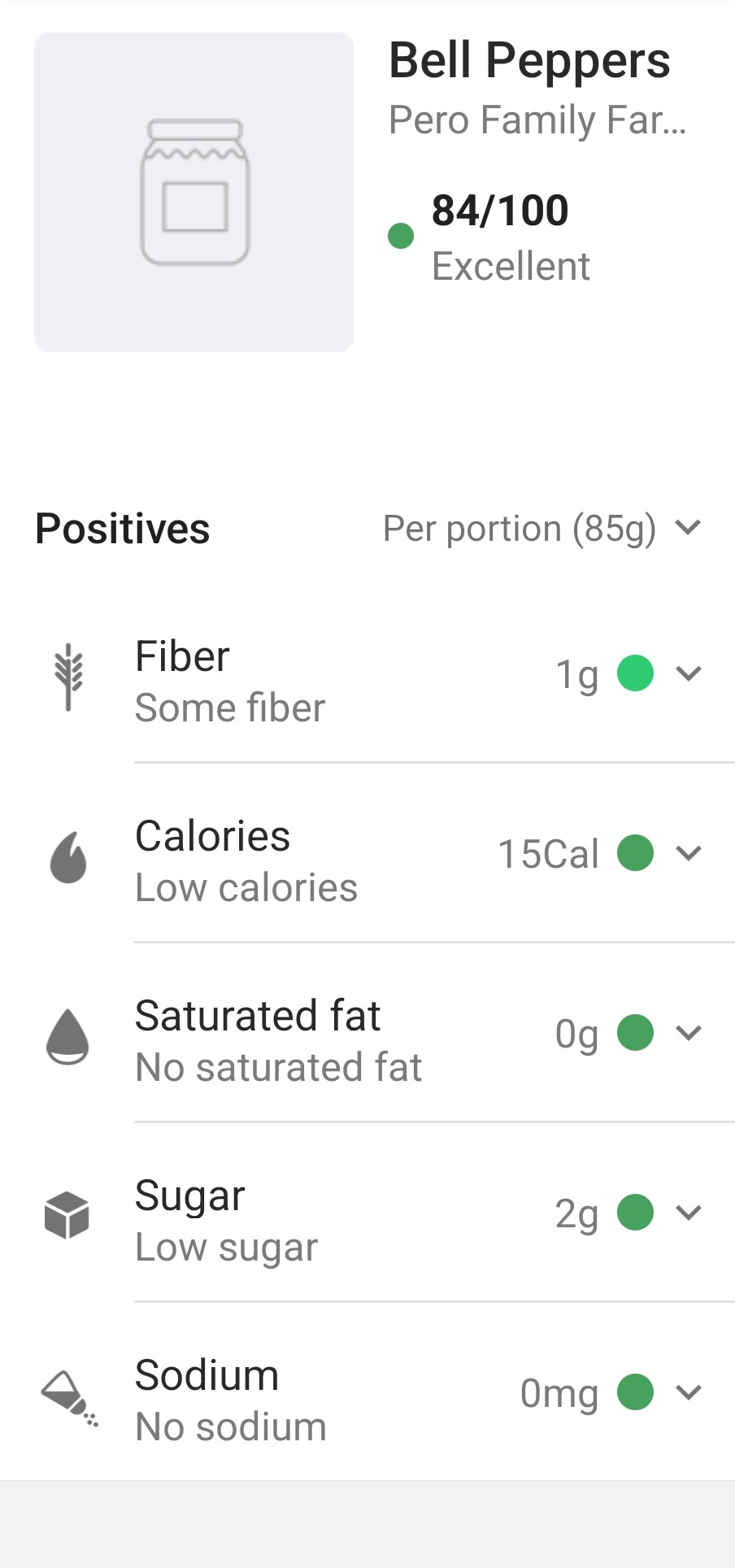
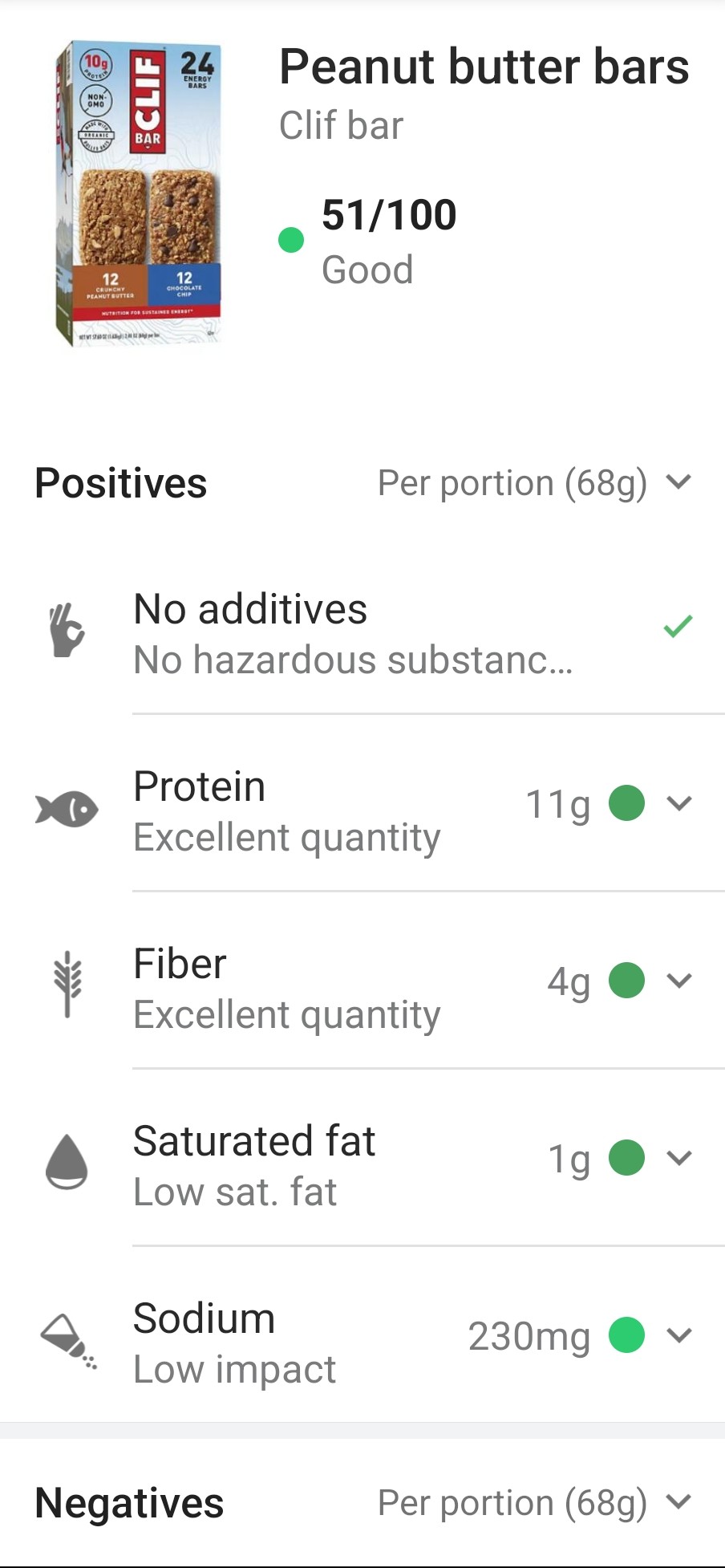
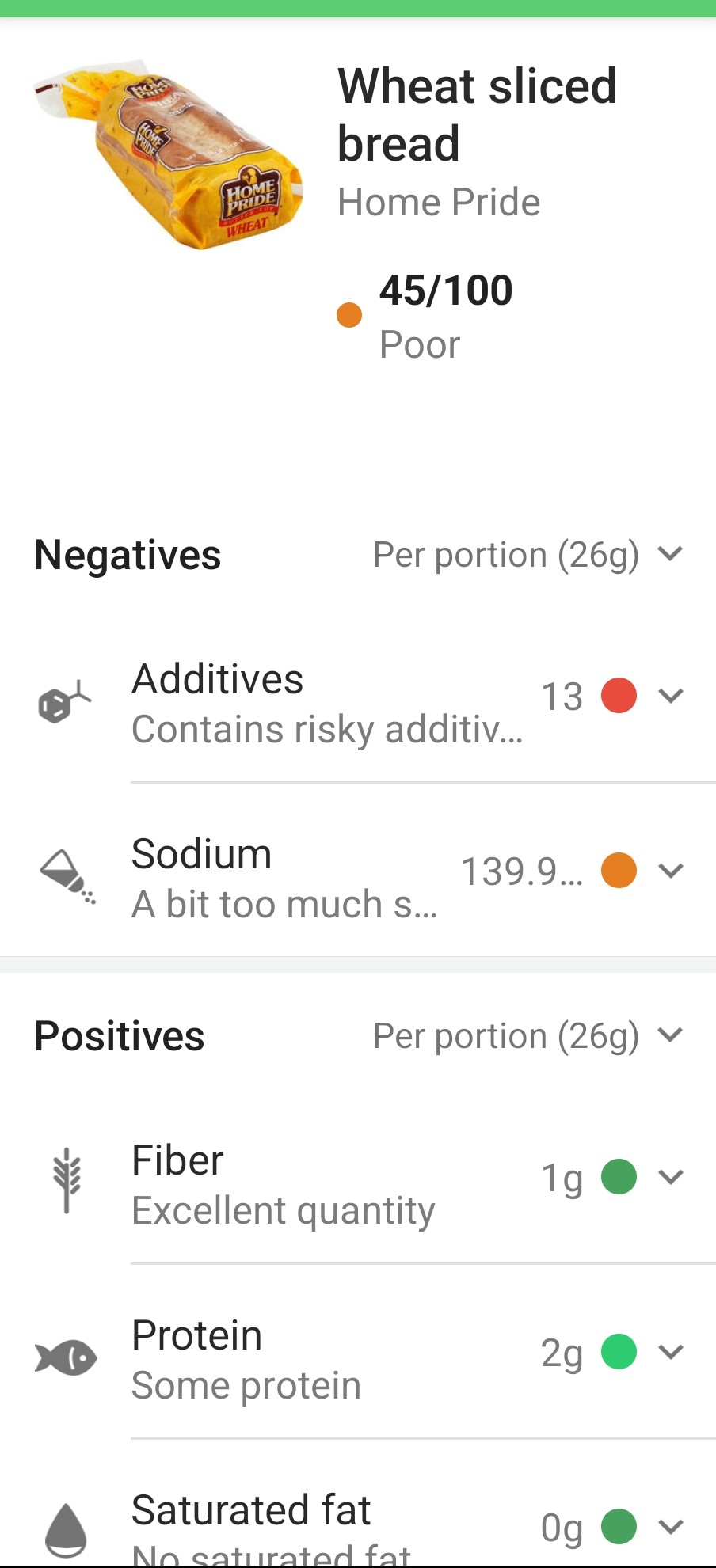
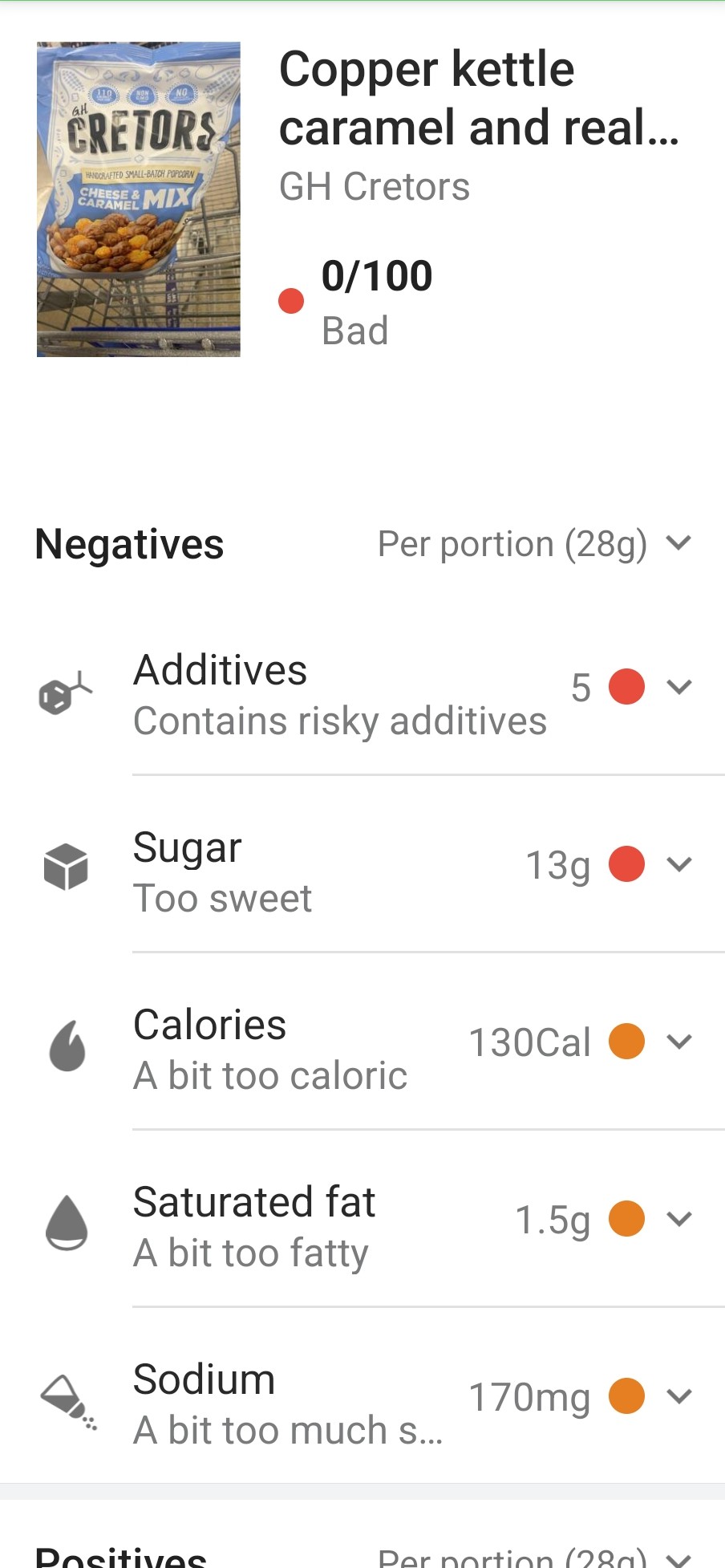
Somehow, this app and its red and green scoring colors were effective to make my husband feel guilty about food choices in ways I never could. 🎉 He shared screen captures of a few Yuka scans with me. The more natural, less processed foods received the higher scores for fiber, calories, fat and additives.
Of the items shared, bell peppers had the highest score, followed by peanut butter bars, bread and then caramel popcorn.
The Yuka scores serve as a great reminder of the benefits of eating healthier foods, including growing our own vegetables at home. Doing so can reduce or eliminate risks of chronic health conditions that plague the Black and brown communities. If you are ready to get started gardening, order vegetable plants for pick-up and delivery in our local area.
My husband doesn’t need the Yuka app to inform him about those nasty additives in the popcorn—he can just read the label. But if it works for him, then I’m all for it. Go Yuka.
 ColorBlindWork People | Plants | Purpose
Leave a comment