


It’s spring aka “plant lady” time! Like us, you probably have visions of thriving plants in your beds, no pests, and plates of food in the near future and you’re very likely eager to see your plants flourish and thrive.
Soil Composition
Soils contain millions of microbes, fungi and bacteria that compose the soil in addition to organic materials. Understanding how fertilizers work to improve plant growth is key to nurturing a bountiful garden or farm. Fertilizers replenish essential nutrients in the soil, which means, we want to be sure the fertilizer is necessary before we add too much, or any at all. This is the reason that soil testing can be crucial for successful cultivation.
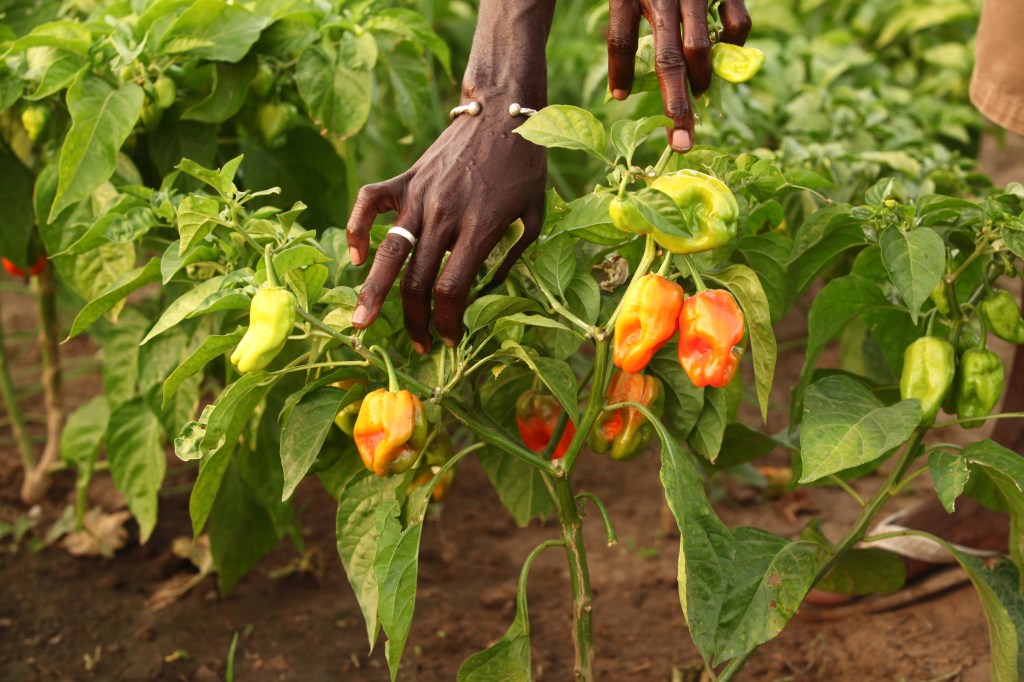
Importance of Soil Testing
Before embarking on your gardening journey, consider conducting a soil test to assess its nutrient levels accurately. While soil testing may seem like an additional step, it can save you from the heartache of a failed growing season. ColorBlindWork recognizes the significance of soil testing and has invested in a lab-grade soil testing kit to ensure optimal plant growth.
Understanding Soil Test Results
Soil tests typically measure levels of macronutrients such as nitrogen, phosphorus, and potassium. Plants typically use the nutrients in a ratio of 7:1:6. These nutrients are essential for plant health, and their availability in the soil directly impacts plant growth. By interpreting soil test results, you can determine which fertilizers are needed to address any nutrient deficiencies and maximize plant yield.
Why Fertilizers Matter
Fertilizers play a vital role in supplying plants with the nutrients they need for healthy growth. As plants absorb nutrients from the soil, these vital elements become depleted over time. Fertilizers replenish these nutrients, ensuring that plants have the resources they need to flourish. At ColorBlindWork, we use organic general purpose fertilizers for a variety of herbs, peppers, greens and legumes.
Choosing the Right Fertilizer
Based on soil test results, specific recommendations can be made for the type of fertilizer best suited for your plants. Organic fertilizers, such as compost and manure, are excellent choices for enriching the soil with essential nutrients. However, it’s essential to be mindful of nutrient imbalances, such as excessive phosphorus content found in compost and manure.
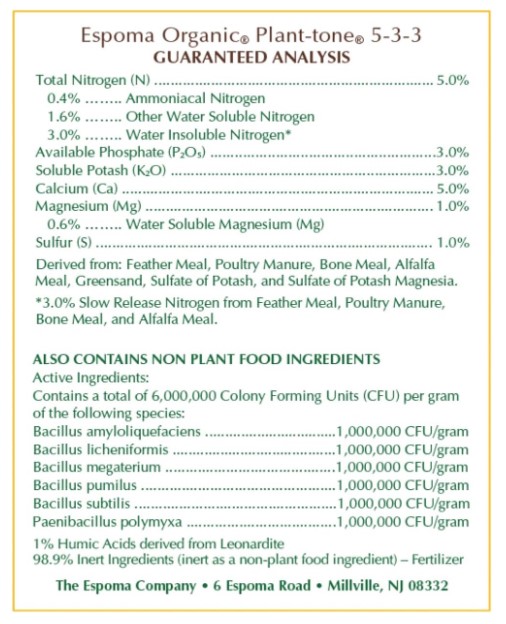
When choosing a fertilizer, check the analysis details to determine the type of nutrient added and the percentages, the source and any additives. Espoma Organic Plant-tone is just one of many to consider purchasing.
Increasing Yields
When it comes to fertilization, precision is key. Overuse of fertilizers can lead to nutrient imbalances and environmental pollution. By carefully monitoring soil nutrient levels and adjusting fertilizer application accordingly, you can maximize yields while minimizing costs and environmental impact.
Plants Health and Soil Problems
Plants can often serve as indicators of underlying soil problems. Specific symptoms, such as stunted growth or yellowing leaves, may signal nutrient deficiencies or imbalances. By closely observing your plants and understanding their needs, you can proactively address soil issues and promote healthy growth.
Soil health and fertilizers are essential tools for promoting plant growth and ensuring bountiful harvests. By conducting soil tests, choosing the right fertilizers, and practicing precision fertilization, you can cultivate a thriving garden or farm while promoting environmental sustainability.
For further insights into plant nutrition and soil health, stay tuned for our upcoming blog posts.
References:
- Soil Health – USDS NRCS https://www.nrcs.usda.gov/conservation-basics/natural-resource-concerns/soils/soil-health
- Soil Science for Gardener by Robert Pavlis
 ColorBlindWork People | Plants | Purpose
Leave a comment