


You have some healthy seedlings (purchased from ColorBlindWork!) and the weather in your grow zone has reached the optimum temperature to plant outdoors. Cabbages, onions, garlic and celery are the first to go into the ground.
Transplanting seedlings into your garden bed is an exciting step towards a successful harvest. Here’s ColorBlindWork’s guide to ensure your seedlings thrive!
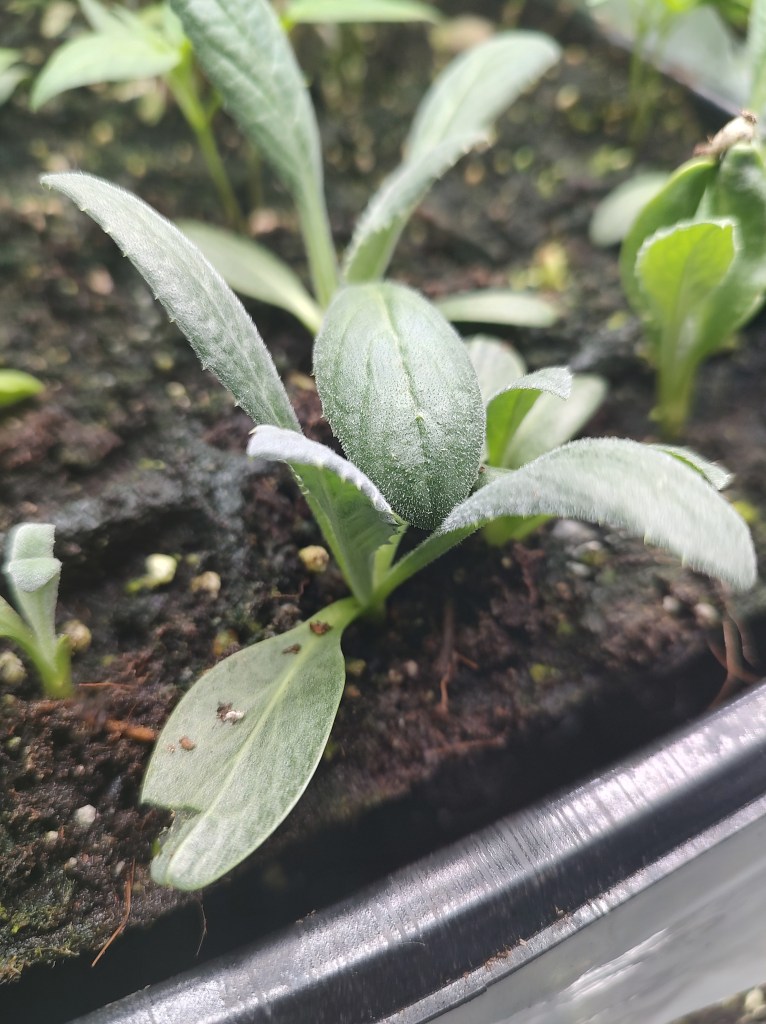
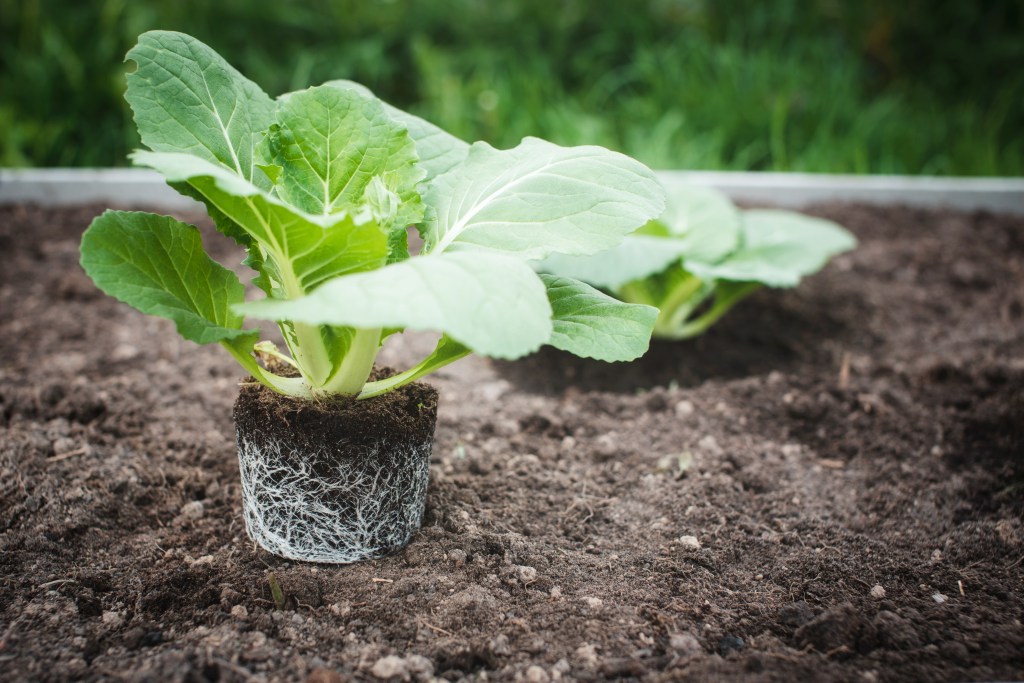
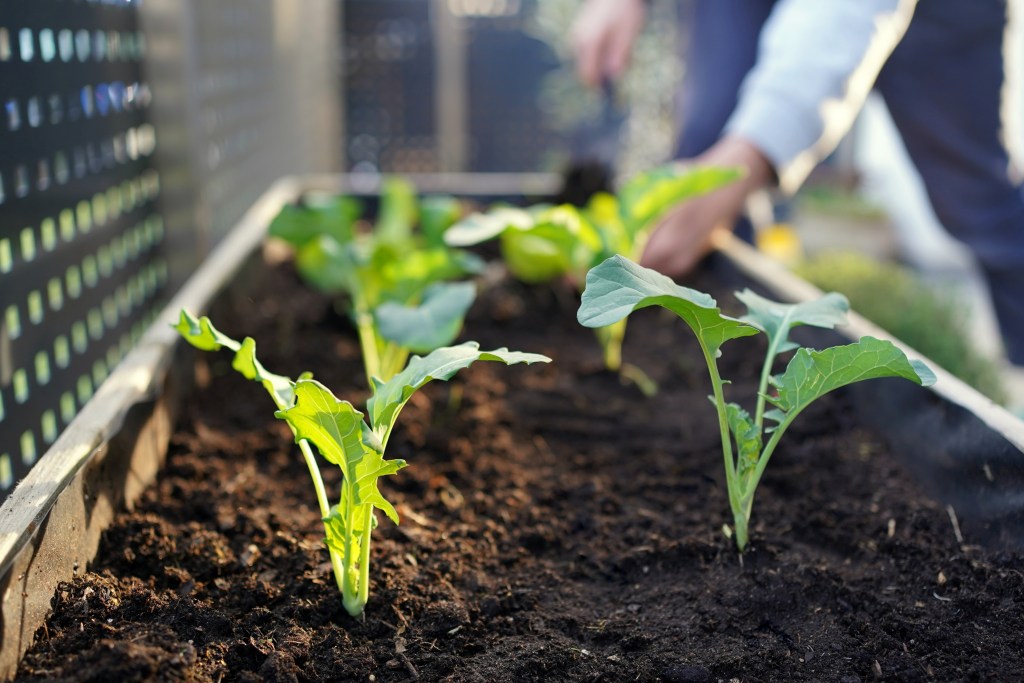
- Harden Off Seedlings:
- Start by acclimating your seedlings to outdoor conditions gradually. Over the course of a week or two, expose them to increasing amounts of sunlight and outdoor temperatures. Begin by placing them in a shaded area for a few hours a day, then gradually increase their exposure.
- Prepare the Garden Bed:
- Choose a sunny location with well-drained soil for your garden bed.
- Dig rows according to your planting plan. Consider planting in little hills to provide ample space for root growth, especially if the soil is compacted.
- Prep the Planting Holes:
- Dig holes in the garden bed large enough to accommodate the root ball of each seedling.
- Add water to the holes to ensure the soil is moist and ready for planting.
- Prepare Seedlings for Transplanting:
- Water the seedlings thoroughly before transplanting to make handling easier.
- Gently remove the seedlings from their containers, being careful not to damage the roots. If multiple seedlings are in one pot, carefully separate them to preserve the roots.
- Amend Soil and Add Fertilizer:
- Prior to planting, ensure the soil is properly amended with compost or other organic matter as needed.
- Add a balanced fertilizer into each planting hole to provide essential nutrients for healthy growth.
- Transplant Seedlings:
- Place each seedling into its respective planting hole, ensuring the root ball is positioned at the appropriate depth.
- Firmly press the soil around the seedling to eliminate air pockets and provide stability.
- Water the seedlings again after planting to settle the soil and provide hydration to the roots.
- Install Irrigation Systems:
- If using irrigation tubes or soaking hoses, carefully place them around your newly transplanted seedlings to ensure consistent watering. We have found that soaking moisture into the ground is preferred to spraying the plants from above.
- Protect from Elements and Wildlife:
- Install fencing around the garden bed to protect your seedlings from wildlife such as squirrels and groundhogs.
- Consider using natural deterrents like red pepper powder or scents like lavender to discourage these and other pests.
- Monitor and Care for Seedlings:
- Keep an eye on your transplanted seedlings, ensuring they receive adequate water and sunlight.
- Remove any weeds that may compete with your seedlings for resources.
- Monitor for signs of pests or disease and take appropriate action if needed.
By following these steps, you’ll give your transplanted seedlings the best chance of thriving in their new garden home. Let’s grow something!
 ColorBlindWork People | Plants | Purpose
Leave a comment