


It’s July 1 and we are enjoying the remnants of our spring gardening labor (broccoli, kale, lettuce, cabbage, celery) and the beginning of the summer gardening work (tomatoes, peppers, cucumbers). As we dine on those goodies, we are already thinking ahead to the fall growing season. Yes, it’s early but early planning and preparation is useful.
As a grower you are aware that the growing season depends on the dates of the expected lowest temperatures that will damage plants, also known as frost dates. The Akron-Canton-Massillon frost dates (from Almanac.com) are shown below.
| Nearest Climate Station | Altitude | Last Spring Frost | First Fall Frost | Growing Season |
|---|---|---|---|---|
| AKRON CANTON RGNL AP, OH | 1207′ | Apr 30 | Oct 20 | 172 days |
The official growing season in NE Ohio is about 172 days. The actual growing season can be longer—200+ days. We have extended the outdoor growing season in the spring (starting in March) and fall (ending in November) using various techniques and equipment:
- Reusable fabric and frost coverings | These keep plants warm, shielding from icy winds and depending on the thickness, rain and snow. There are some lightweight coverings that can be used in the summer to protect from insects, too.
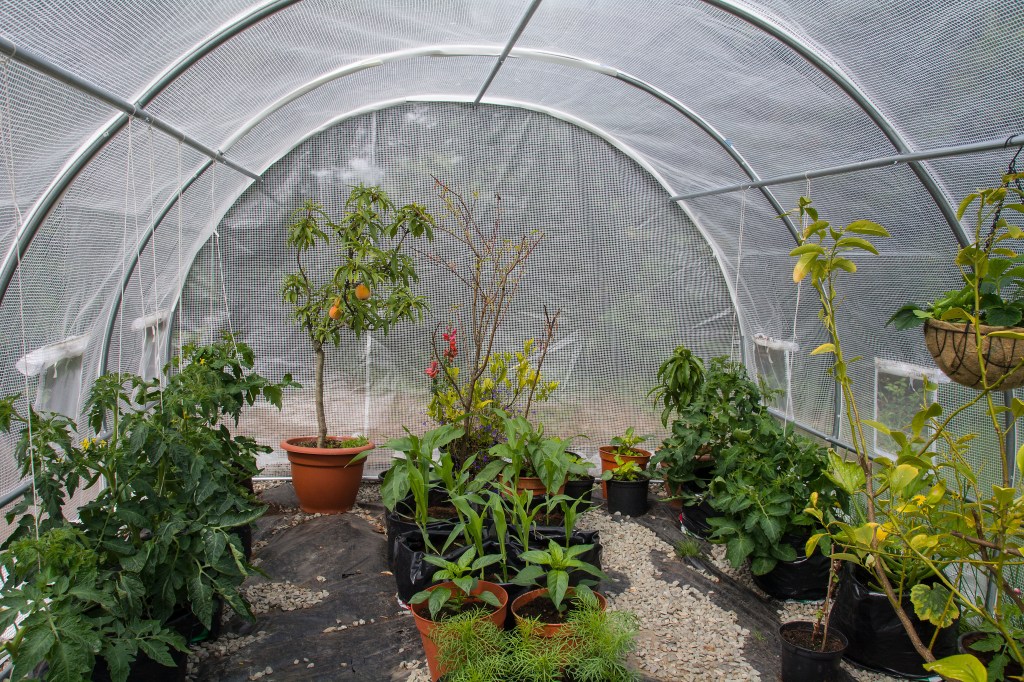
- Large containers with stakes or a grow tunnel | These grow areas provide enough plant headroom and support for the warming fabric to rest upon. Find the right size containers and grow tunnel for your deck, patio, back yard, etc.
- Careful irrigation | When the weather is cool, spraying water on top of plants yields about the same results that a noon time July drenching would. 😮 Recommended: fill the water container indoors with warmer water instead of using icy water from the outdoor spigot.
- Other tips |
- Check the weather forecast daily to know what to expect for the day and week ahead. And you know that forecast is going to change so check it twice!
- Transparent or translucent plastic sheeting wrapped around a pot or covering your hoop house can be kept on throughout the day. It will trap heat on a warm day, which will shield your plants on colder nights. Opaque plastic can be used to cover the plants after sundown. After the harvest, roll the plastic up and store it so it can be used again. (Otherwise the plastic film will crack, disintegrate and contribute to the volume of microplastics flowing through the watershed and the rivers and getting into the ocean.)
- Place your planter on a rolling platform. You can roll it indoors when it gets too cold. Many people do this with fruit trees so try it if you have the space!
- If it’s really, really, really too cold outside, consider setting up an indoor grow area with full spectrum grow lights, plastic sheeting for heat and moisture, and fans to circulate the air. We grow basil, rosemary, kale, cabbage and small tomatoes indoors. It takes just a little practice to get it right but the plants are forgiving of minor mistakes! Read more about our indoor gardening experiences in an upcoming post!


A final note about costs
Obtaining some of the items above can be costly. Shop around online. Look for neighborhood garage sales. People who are moving typically don’t want to transport a lot of gardening equipment, especially if their new home will be smaller or will not have yard space. Check with other growers who may be looking to buy newer equipment, or growers who have retired from the hobby. They may want to sell or give away items. Free is always good but if you have to buy, remember that every seed, bag of soil, packet of fertilizer, container of water and labor is an investment in your good health. We hope you will be encouraged to extend your growing season.
Let’s grow something! ColorBlindWork | People. Plants. Purpose.
 ColorBlindWork People | Plants | Purpose
Leave a comment