
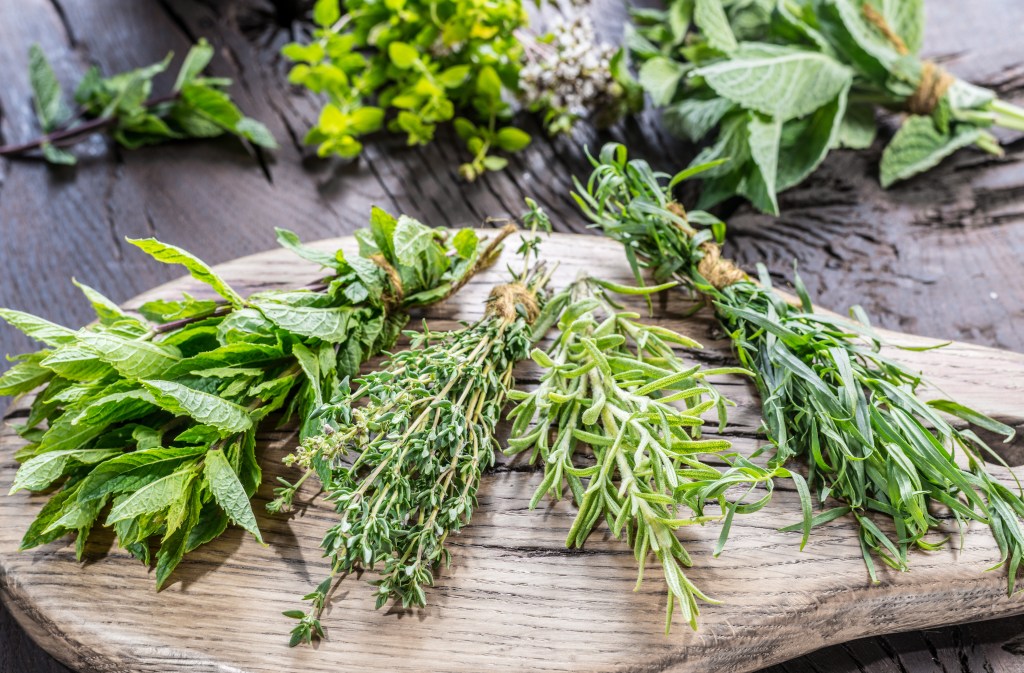


Herbs and spices are often viewed only as food additives. But did you know that they are beneficial to your health? That rosemary, cardamom, cinnamon and turmeric that you have diced, sliced, chopped and pushed to the side of your plate actually deserves a more central position in your diet. You can eat them fresh, dry them out, or grind them up and add them to your meals or use the leafy parts for tea.
Before we go any further, we remind you to check with your physician before adding anything to your diet, especially if you are taking medications. If there are no potential interactions or risky side effects, take time to research which plants could be helpful for your specific need(s). And, remember, you can plant your own seeds or buy plants to grow your own herbs, roots, plants and spices.
So what are some example benefits? Here’s a list found online:
- Improve digestive health | Some herbs and spices may help with digestive health, such as ginger, which may help ease an upset stomach or nausea. We are listing this one first because of personal experience with digestive issues. Incorporating herbs like basil and rosemary into our diet, along with other healthy foods, has both healed and prevented further problems.
- Have antioxidant properties| Herbs and spices contain antioxidants that can help prevent cell damage and reduce the risk of chronic disease.
- Contain anti-inflammatory properties | Herbs and spices can reduce inflammation, which is a cause of chronic disease and cancer cell growth.
- Contain important nutrients | Herbs contain vitamins A, C, and K, which help wounds heal, keep the immune system healthy, and more.
- They are flavorful alternatives | Herbs and spices make food more flavorful, which can help you cut back on less healthy ingredients like salt, sugar, and added fat.
- Improve heart health| Some herbs and spices may help with heart health, such as garlic, which may help improve blood pressure and cholesterol levels.
- Balance blood sugar | Some herbs and spices may help with blood sugar, such as cinnamon, which may help improve blood sugar control.
- Lift Mood | Some herbs and spices may help with mood, such as saffron, which may have mood-enhancing properties.
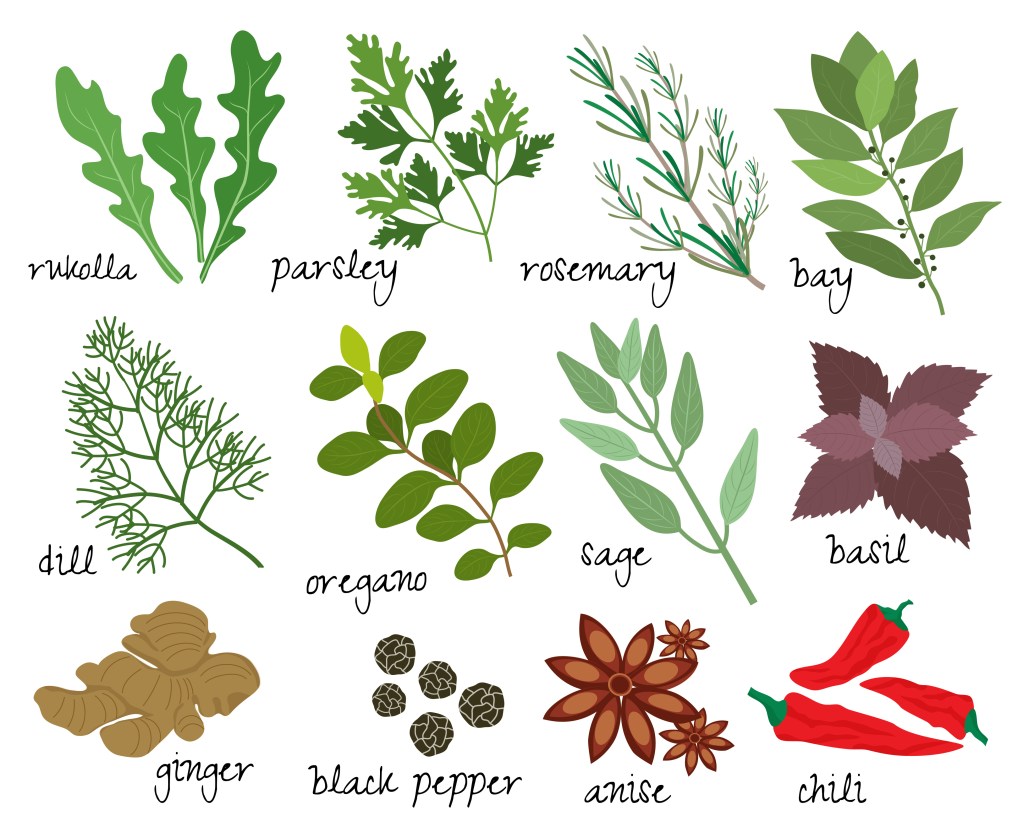
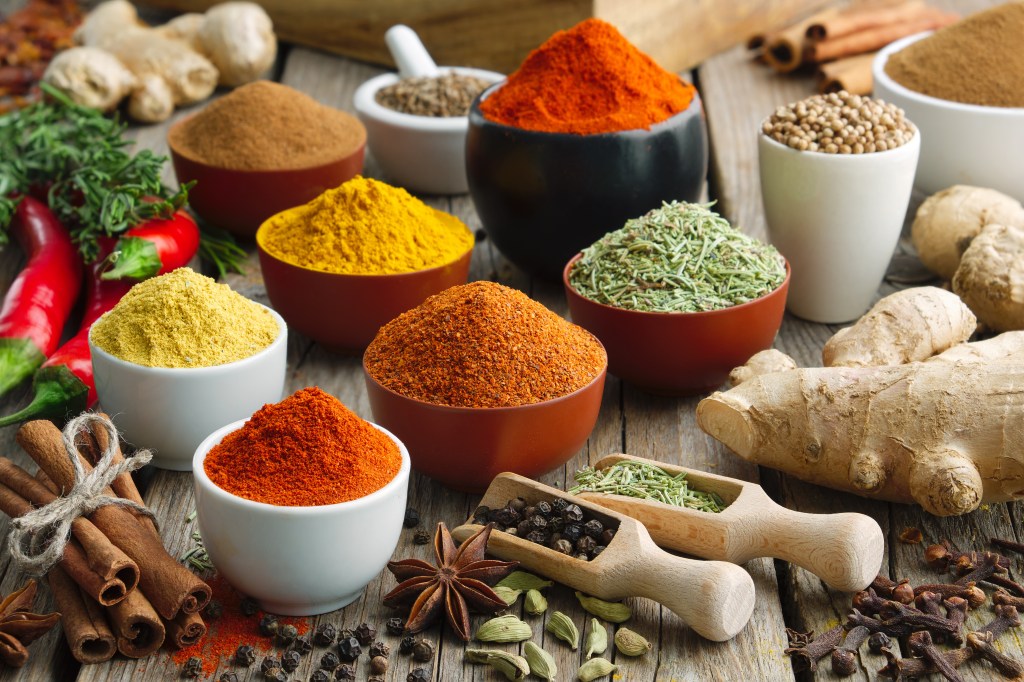
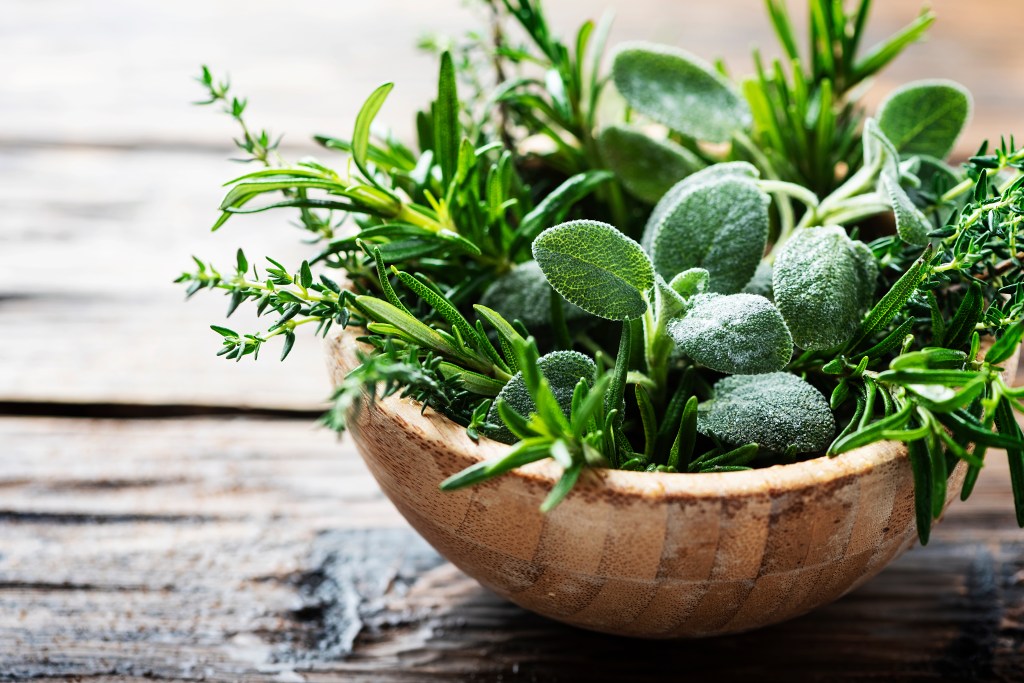
Each herb, root, plant or spice has specific uses. Here is a short list of the medicinal properties of herbs (NIH and University of Rochester):
Ginger
Ginger is most known for easing nausea and motion sickness. Research suggests it may help the nausea from pregnancy and chemotherapy. Ginger is in research for use in surgery and as an anticancer agent. It has strong anti-inflammatory effects. It is also a strong antioxidant.
Garlic
Garlic is used in cooking. And it has proven health benefits. Garlic has been shown to fight germs, protect your heart, and reduce inflammation. It may help lower cholesterol and blood pressure.
Chamomile
Chamomile is promoted for sleeplessness, anxiety, and gastrointestinal conditions such as, upset stomach, gas, and diarrhea. It is also used topically for skin conditions and for mouth sores resulting from cancer treatment.
There are many more out there so check them out!
Notice that for most herbs, you may find that research is inconclusive. That means you will have to try them for yourself to determine whether they might be useful to you.
ColorBlindWork | People. Plants. Purpose. understands that everyone’s physiology is different so our responses to what we eat will differ. One thing that we all have in common? Sticking to a plan of the appropriate exercises and nutritional foods is the basis for good health and wellness.
Let’s grow something!
 ColorBlindWork People | Plants | Purpose
Leave a comment