
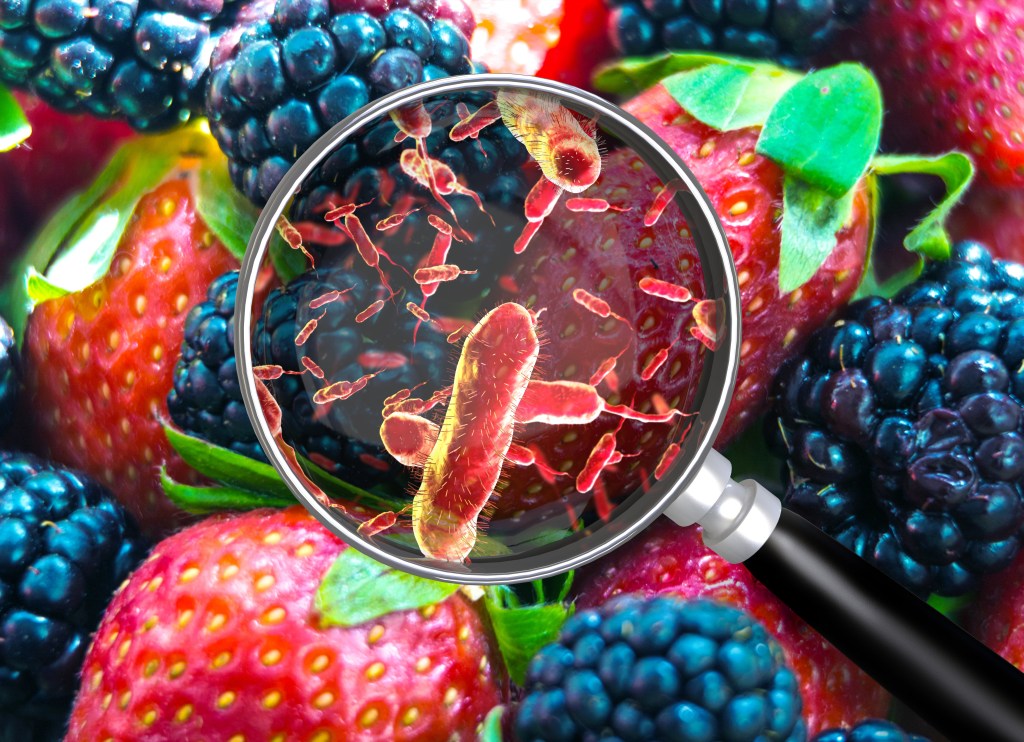


Sick after eating contaminated spinach or lettuce? Tired of being nervous over vegetable recalls? Wasting money because you have to compost suspicious looking vegetables (that looked fresh in the bag?) Unfortunately, we can relate to that sentiment.
Take control over your food supply!
In the pursuit of safer food options, many individuals are turning to home gardening as a choice. Whether growing in containers, raised beds, or in-ground plots, home gardening offers numerous advantages, including greater control over growing conditions and reduced exposure to potential contaminants.
Home gardening provides many benefits, including:
Control over growing conditions | Home gardeners have complete control over the soil, water, and inputs used in cultivation, reducing the risk of exposure to harmful chemicals or contaminants.
Fresh and nutritious produce | Home-grown fruits and vegetables can be picked when needed, so no storing is necessary.
Sustainable practices | By growing food at home, individuals can reduce their carbon footprint by minimizing transportation emissions associated with store-bought produce.
Therapeutic benefits | Gardening has been shown to reduce stress, improve mood, and promote overall well-being, making it a rewarding and fulfilling activity. We guarantee that you will feel this benefit IMMEDIATELY-–we call it PlanTherapie.
But what about food safety?
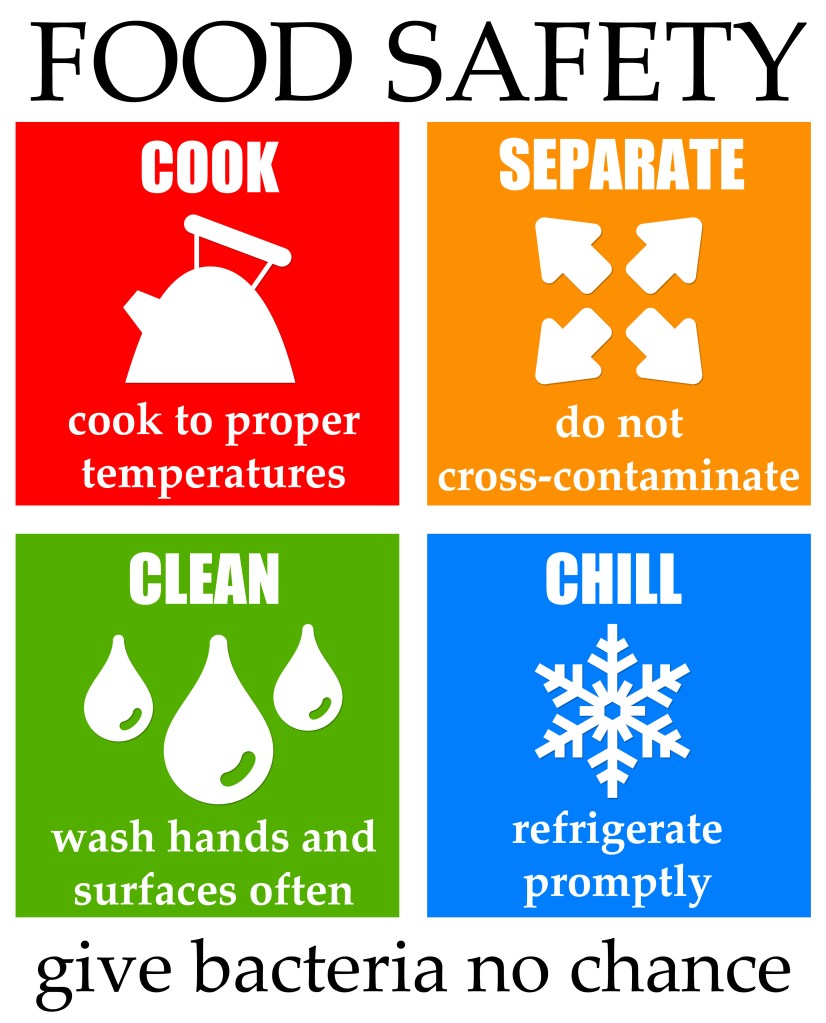
While home gardening offers many advantages, it’s important for home gardeners to take steps to prevent contamination, just like the larger scale farmers do. We took a safety certificate class and some of the preventive steps we like to share:
- Regularly cleaning and sanitizing gardening tools, containers, and equipment will prevent the buildup of harmful pathogens. Do the words E. coli or Salmonella sound familiar?
- Clean your hoes, shovels, tillers and spades after using them.
- Wash reusable gloves. We bought a large bag of gloves so we can wear a different pair each day.
- Check your water sources.
- For watering your vegetables, most us can safely use rainwater. However, consider that if air pollution is prevalent in your area, you may want to use municipal water instead.
- When washing vegetables always use clean running water. Scrub your collards and kale greens just as if they were purchased from the store (you have probably seen your parents or grandparents doing this!).
- Store your vegetables and fruits safely.
- Most foods will require refrigeration for long-term storage.
- Store in clean, reusable containers.
- Do not eat the produce after its safe storing period. Compost it!
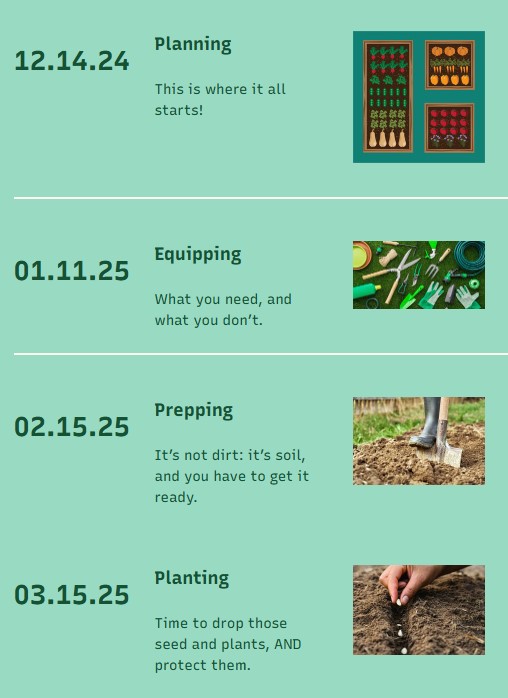
ColorBlindWork | People. Plants. Purpose. promotes home gardening is a sustainable way to take more control over our food supply. If you’re not sure how to get started, consider joining one our free gardening webinars designed to get you growing right way. We’re in Zone 6 but the tools and practices to be discussed at the webinars will apply to all USDA growing zones.
Let’s grow something!
 ColorBlindWork People | Plants | Purpose
Leave a comment