



No, I am not using a derogative to describe the current president—but this content does involve him. Recently, he halted the cleanup of the Vietnam-era herbicide (the first reason it made it onto our blog) called Agent Orange, which was used against heavy vegetation in the jungles of that country, which is, according to officials, “we are quickly heading toward an environmental and life-threatening catastrophe” (the second reason).
When the recent cleanup work was halted, local contractors were working at the chemical spill site at the Bien Hoa air base. According to the ProPublica article, “the shutdown left exposed open pits of soil contaminated with dioxin, the deadly byproduct of Agent Orange, which the American military sprayed across large swaths of the country during the Vietnam War,” in addition to freezing payments to those contractors.
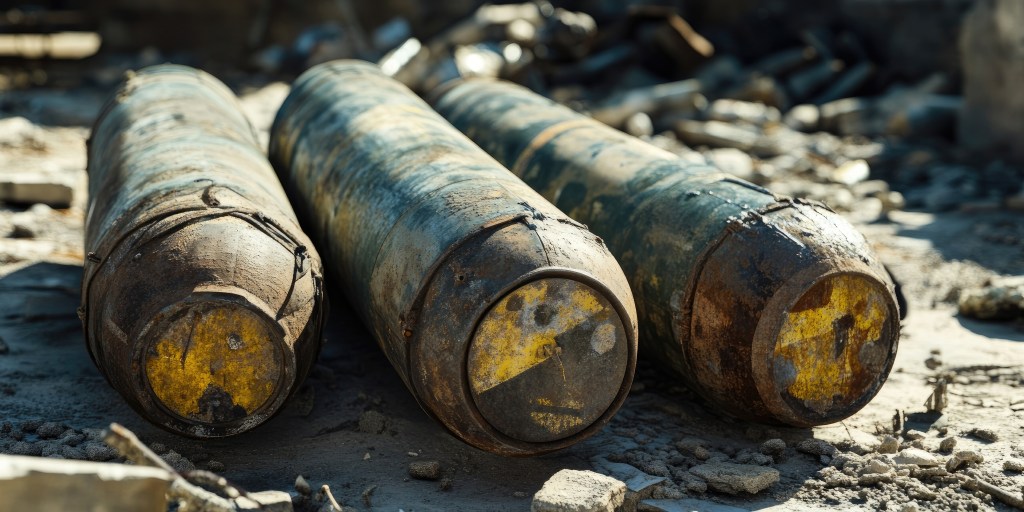
Dioxin is the dangerous component in Agent Orange. The name for this biological weapon came from the orange identifying stripe used on the 55-gallon drums in which it was stored. From the World Health Organization dioxin information sheet:
Dioxins are environmental pollutants. They belong to the so-called dirty dozen – a group of dangerous chemicals known as persistent organic pollutants (POPs). Dioxins are of concern because of their highly toxic potential. Experiments have shown they affect several organs and systems.
Once dioxins enter the body, they last a long time because of their chemical stability and their ability to be absorbed by fat tissue, where they are then stored in the body. Their half-life in the body is estimated to be 7 to 11 years. In the environment, dioxins tend to accumulate in the food chain. The higher an animal is in the food chain, the higher the concentration of dioxins.
So because humans are at the top of the food chain, dioxins are heavily concentrated and anyone exposed to the chemical even for a short amount of time, such as American soldiers, is at risk for varying life-threatening conditions. Longer exposure and bioaccumulation increases the risks for area Vietnamese.
For those unfamiliar with the Vietnam War and the many post-war detrimental effects on millions of veterans, this chemical has shown to have a number of effects. From the Cleveland Clinic:
- AL amyloidosis.
- Severe birth defects, abnormal fetal development or miscarriage.
- Bladder cancer.
- B-cell leukemia.
- Chloracne or acneform disease.
- Diabetes (Type 2).
- Hodgkin lymphoma.
- Hypothyroidism.
- Ischemic heart disease.
- Multiple myeloma.
- Non-Hodgkin lymphoma.
- Parkinsonism.
- Parkinson’s disease.
- Peripheral neuropathy.
- Porphyria.
- Prostate cancer.
- Respiratory cancers (lung cancer).
- Soft tissue sarcoma.
With all of those issues, the Department of Veterans Affairs recognizes that veterans who served in Vietnam or in or near the Korean Demilitarized Zone (DMZ) are presumed to have been exposed to Agent Orange or other herbicides. It is dangerous to the local residents, wildlife, ground water and vegetation to leave what is essentially an overseas Superfund site un-remediated. Taking responsibility to clean up messes should be a lasting American value.

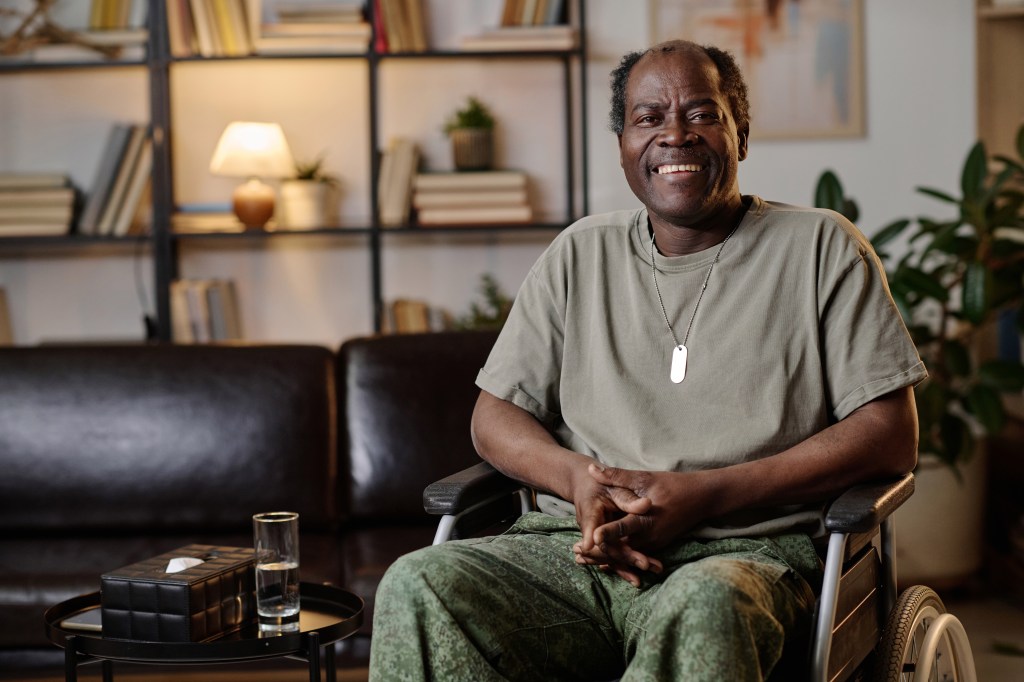

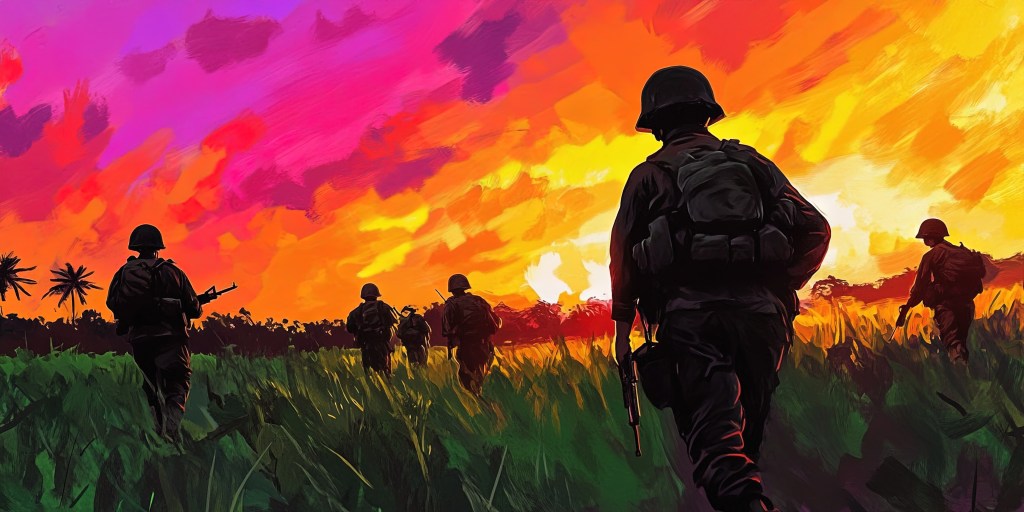
A personal note: one of our recently deceased family members was a Vietnam War veteran. He seldom spoke about the horrors of war but he was very proud to have served his country. His only lament was that the military personnel in authority took risks with the lives of soldiers by using Agent Orange and other chemicals (which left him with some of the conditions on the list above) and that many vets were not getting all the help they needed.
From ColorBlindWork | People. Plants. Purpose. to all veterans and military personnel, Thank you for all you do.
 ColorBlindWork People | Plants | Purpose
Leave a comment