
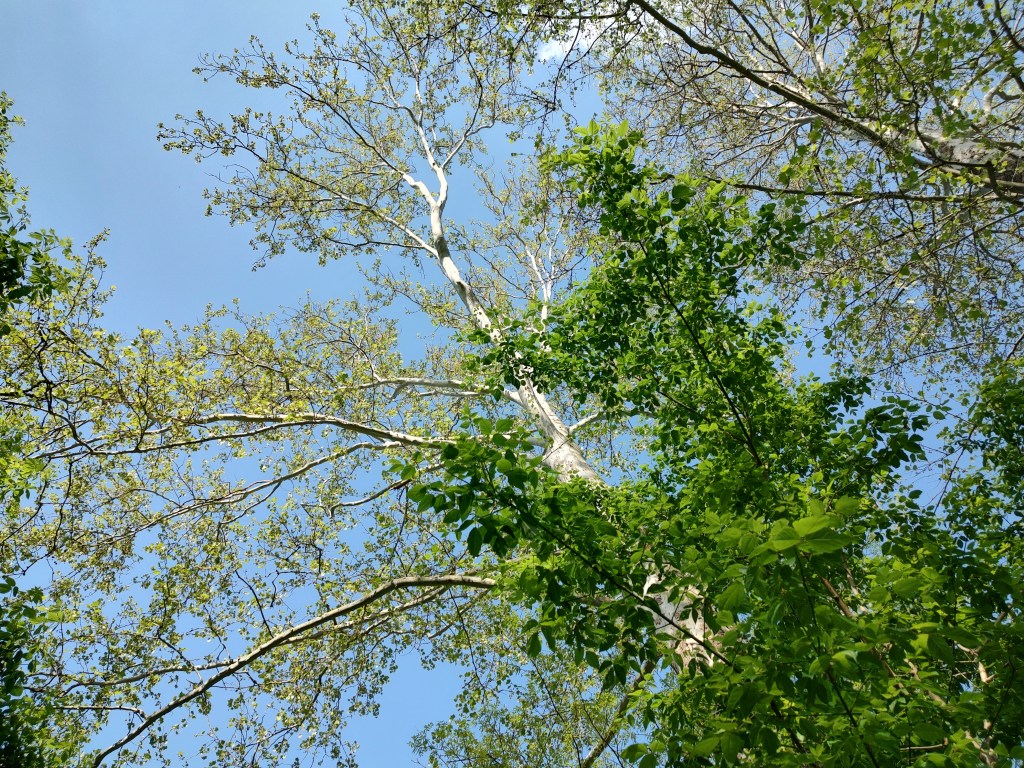


What did you see? Sometimes it takes a while to find the source of the beautiful birdsong but if you are patient enough, the singer will show itself.
We are birders, and have been for decades, even before we knew it was a thing. Year ago, when our four-year old niece visited our house, we gave her some binoculars and we walked around the park spotting local birds. Seeing her face light up when she could see the birds “close-up” through the lenses, was more than worth the cost of the binoculars.
Fast forward a couple of decades (niece is now in her 20s), we are even more fond of birds and enjoy stopping to identify them by sound. Thanks to mobile apps like Merlin, from the Cornell Lab of Ornithology, we can do that. We learn the names of the birds whose singing we hear at home and on our hikes. One we are particularly fond of is the gray catbird, which actually isn’t hard to identify since the name describes it perfectly.
We find it amazing that the Merlin app can distinguish distinct tones in a full choir. Here’s a look at and a listen to of recordings we made recently.

Protecting Birds
We are always interested in finding ways to protect the birds around our home, and those that drop in during their migratory path. The information shared below contains details from the National Park Service:
Create habitat with native plants.
Birds, especially migratory birds, need safe places to rest, build nests, and forage for food. While a well-maintained grassy lawn may seem like a nice habitat for birds, lawns don’t provide enough food or shelter to support most birds. Native plants are adapted to thrive in your climate, so they’re easier to take care of than a grassy lawn! Get started with these Ecoregional Native Pollinator Garden Cards and help pollinators at the same time!
Make windows safer.
Millions of birds die after hitting windows each year. Make your windows safer for birds by installing screens, stickers, or other ways of breaking up window reflections.
Keep cats indoors.
Letting your furry friend outdoors may seem harmless, but cats kill more than 2.6 billion birds each year in North America. Keep kitty indoors, on a leash, or in a “catio” to help protect birds. Learn more about being a conservation-minded pet parent.
Stop or reduce your use of pesticides.
Many pesticides are toxic to birds. Birds may come in direct contact with sprayed pesticides, or they might ingest contaminated food. Additionally, insecticides decrease the insect populations that birds need to survive.
Birds are pollinators and will help your garden thrive. Take advantage of this mutually beneficial relationship — plant some flowers and vegetables. Let’s grow something!
 ColorBlindWork People | Plants | Purpose
Leave a comment