
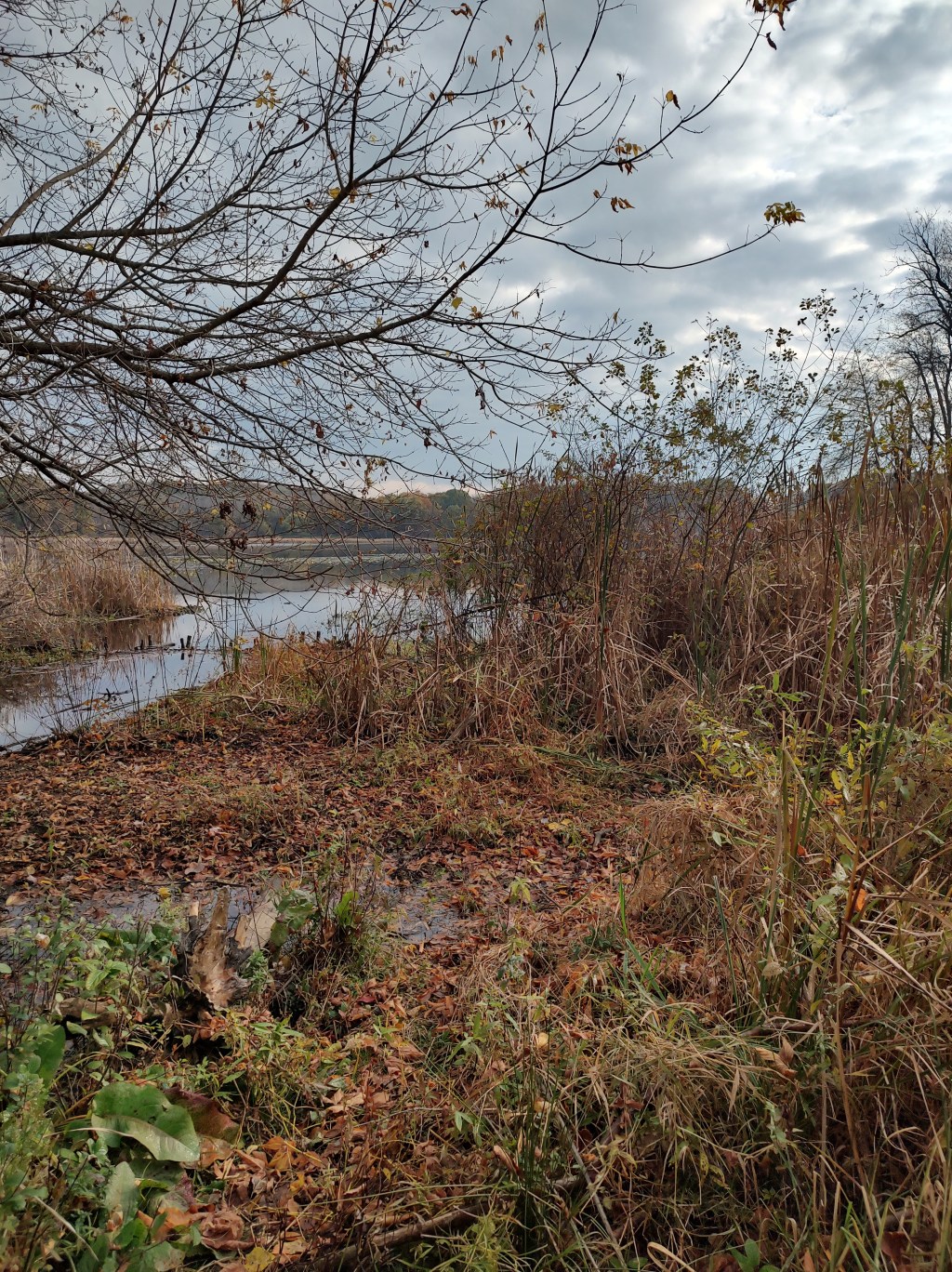


Small animals are attempting to take over parts of our property. Apparently, we are running some type of animal flophouse and the guests are up running around at different times of the day. Chipmunks, squirrels, at least one groundhog, cats, a fox or two, raccoons, and there is a possum that comes by occasionally. The good news is that in the circle of life, the population never gets too large (despite a neighbor who insists on feeding the feral cats and area squirrels).
Rather than fight the wildlife (as long as they do not attack the house!), we have maintained the large and small trees in our yard, we keep leaf piles throughout the year in strategic areas, we avoid use of chemicals in the lawn that could harm wildlife food, and we keep our outdoor garden fenced in and covered to keep animals out. By doing so, we protect the ecosystem, or “love on the planet.” Our understanding is that loving on the planet means loving and caring for all inhabits, including humans and other animals, the soil, water and air.
At a recent Climate Reality Project members meeting, I had the pleasure of hearing an Indigenous Scientist, Dr. Jessica Hernandez. She is author of Fresh Banana Leaves: Healing Indigenous Landscapes Through Indigenous Science and also Growing Papaya Trees: Nurturing Indigenous Roots During Climate Displacement.
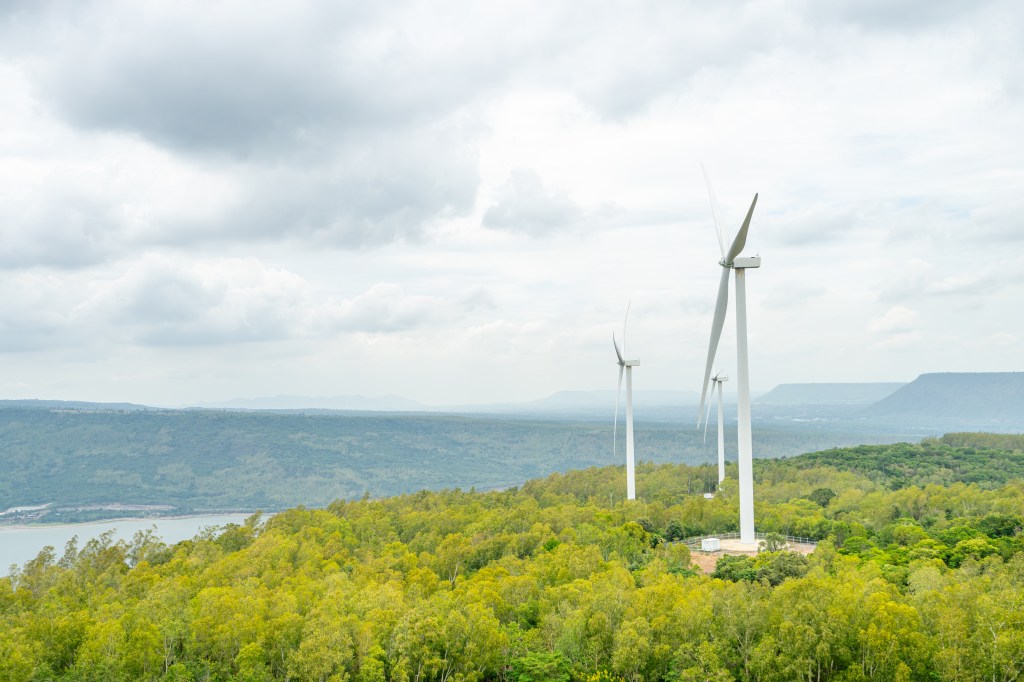
Dr. Hernandez discussed her peoples’ (Zapotec) plight with ecoterrorism in Oaxaca, when the foreign-owned EDF Renouvelables company was allowed by Mexican government to build renewable energy infrastructure on their ancestral lands and waterways. A major conflict occurred with the Gunaa Sicarú windmill project in Unión Hidalgo. She also mentioned the similarities of that experience to what the Congolese people are experiencing as individuals in wealthier nations are motivated to “do good” for the environment by purchasing electric cars.
Unfortunately, most of us do not realize the harm being done to those where resources like cobalt are being extracted or used, or how our consumerism negatively impacts others, in our country and beyond. Genocide, ecocide, slavery, displacement and terrorism are just some of the terms that are applied to the experiences of indigenous people from climate changes caused by the behaviors (and inaction) of wealthier nations and our growing industries.
Dr. Hernandez’s presentation reminded me that the financial wealth of individuals and their nations often override the importance of human life and welfare. Their perspectives have not always been visible in the global climate change movement, but they should be. Some of the core issues that are raised with solutions to climate change and human rights abuses are:
- Land Rights and Dispossession |Much of the conflict is due to the implementation of renewable energy infrastructure on ancestral indigenous land, often without the proper, free, prior, and informed consent (FPIC) of the communities, as required by international standards.
- Lack of Consultation | Communities report that consultations have either been violated, not conducted properly, or have not adhered to culturally appropriate procedures, leading to a top-down, extractive model of development in which the inhabitants have no control over.
- Social Division and Conflict |The promise of economic benefits from land leases has created rifts and social divisions within and between communities, sometimes escalating to threats and violence against human rights defenders and project opponents.
- Environmental and Cultural Impact | Concerns have been raised about the effects on traditional livelihoods such as fishing and farming, as well as the impact on local fauna and indigenous religious sites. Transformation of landscapes is to the detriment of cultural identity.
- Lack of Accountability for Corporations |Activists argue that the current legal and trade agreements, may deepen the impunity of foreign corporations involved in projects with serious socio-environmental impacts on indigenous territories
After the meeting ended, I began thinking about what I could do the help the people around the world who are experiencing the harms of climate change more than we are—well, at least we are for now. For one, I will continue to practice good landcaring (vs landscaping) to avoid causing harm where I live. I will also incorporate the philosophies and practices learned in books and research by indigenous scientists, including the Worldwide Indigenous Science Network.
The journey of love for the planet begins with a simple truth:
Plants and animals can thrive without us, but we cannot live without them.
ColorBlindWork | People. Plants. Purpose. is operated by individuals who love the planet, and the plant and animal inhabitants within. We show our support in how we grow and consume food, purchase only what we need, and how we vote for officials whose policies reflect our values. Let’s grow something!
 ColorBlindWork People | Plants | Purpose
Leave a comment