
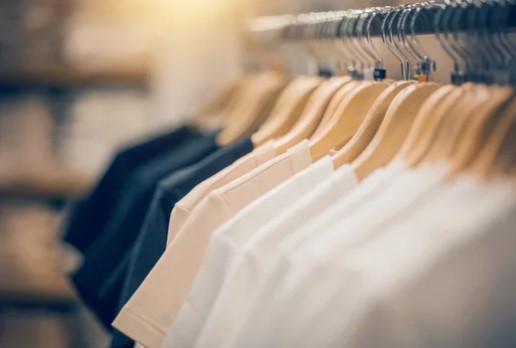


I went to Walmart the other day and uncharacteristically, I strayed over to the summer t-shirt area. I stopped shopping at Walmart for several years because I found myself buying things that I really wasn’t looking for. I would, as I did recently, see a price reduction sign and start picking up clothes I didn’t really need because of the promotion. (Apparently, they know the bargain shopper’s psychology well. 🙄)
This time, I picked up one of the shirts often called “beaters” and was surprised at the softness of the fabric. It got my attention and I carted two of the shirts to use for working out. Lightweight and perfect for showing off what I call the “sleevies,” the triceps and biceps muscle tone we can get after consistently following a lifting workout plan.
I checked out the fabric label and saw “modal” listed. I haven’t bought anything for a while so this was an unknown fabric for me. I performed a quick search and found out that modal is made from the fibers of beech trees. It is marketed as natural and eco-friendly. Jackpot! Or so I thought. Apparently there is a downside to this natural fabric.

According to Earth Day, Modal is a subcategory of Rayon. It follows the same process with additional steps and chemicals. It uses a wet spinning process an increases the amount of zinc sulfate in the precipitation bath. Key point: the sustainable nature of the process relies on the company practices.
Per Sewport:
The modal fabric manufacturing process still uses the step called “xanthation,” which involves the application of carbon disulfide to cellulose during production. Carbon disulfide is an infamous neurotoxin, and it is introduced into the environment through the air and through the contaminated water that is produced during the rayon manufacturing process. 😫
All of this got me asking, so what fabrics really are sustainable? Well, because the process will depend on the manufacturer’s policies and practices, there’s no clear-cut way to determine the answer to that question.
Instead, I learned from the AARP September 2025 magazine to avoid fabrics with the following marketing promises, because additional chemicals are used in their processing:
- anti-microbial
- anti-slip
- anti-static
- anti-wrinkle
- flame retardant
- insect resistant
- oil repellant
- UV protected (oh no! my hiking shirts!)
- Waterproof
What I learned from this experience is to question any company’s claims about sustainability. Often, there may be a trick up their sleeves. 😆
Leave a Reply